Building along the coast offers clear advantages such as water access, views, and long-term property value. Construction in these environments comes with a different set of rules. The same elements that make waterfront properties desirable also introduce structural risks that do not exist inland.
Along the Gulf Coast, experienced builders understand that coastal construction is not just about putting materials together. It is about building systems that can withstand water movement, unstable soils, and extreme weather over time. This guide breaks down the most common coastal construction challenges and explains how professionals solve them using proven methods.
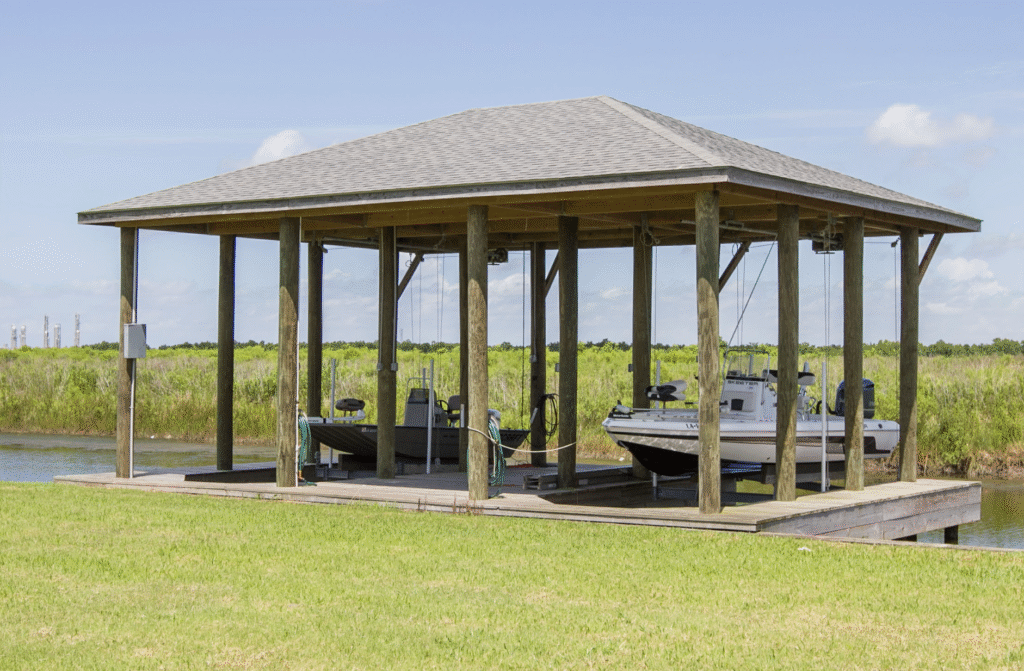
What are the biggest coastal construction challenges?
Coastal construction challenges include:
- Soil instability and weak foundations
- Coastal erosion and land loss
- Storm surge and hurricane exposure
- Saltwater corrosion and material breakdown
- Flood zone requirements and elevation constraints
- Permitting and environmental regulations
These conditions require specialized engineering, durable materials, and construction methods such as pile driving, elevated foundations, and shoreline protection systems.
Soil Instability and Weak Coastal Foundations
Coastal soil conditions are one of the biggest reasons standard construction methods fail near water. Many coastal areas are made up of loose sand, silt, or organic material that cannot support weight the same way compact inland soil can.
Over time, this leads to settling, shifting, and structural misalignment. Without proper support, even well-built structures can develop serious issues.
Why coastal soil creates problems:
- Low load-bearing capacity
- Constant saturation from groundwater
- Ongoing shifting due to tides and environmental changes
To address this, marine construction relies on deep foundation systems that transfer structural loads to more stable soil layers below the surface.
Proven foundation solutions:
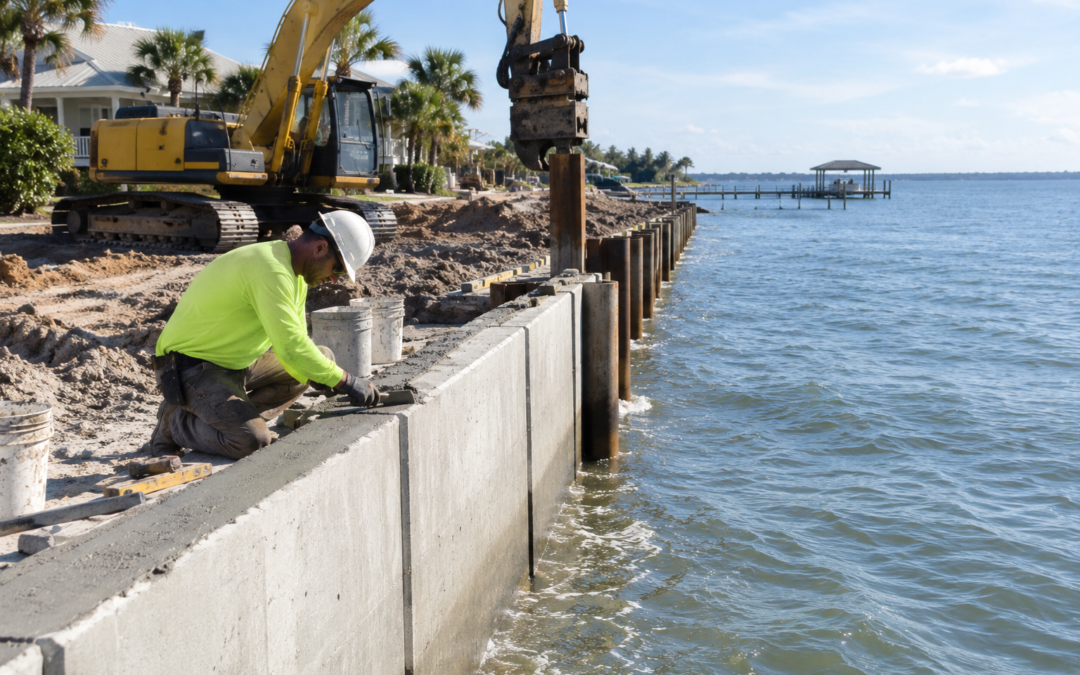
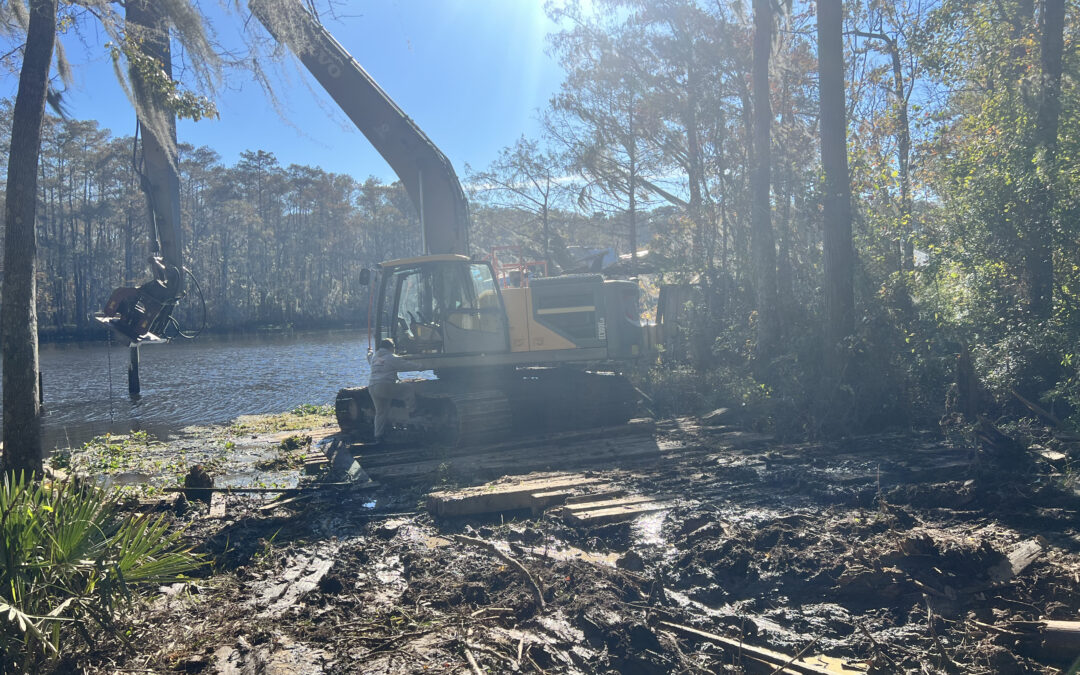
- Pile driving to anchor structures deep into stable ground
- Helical or timber piles for marine environments
- Elevated designs to reduce pressure on weak soils
In regions like South Louisiana, these methods are standard practice, not upgrades.
Coastal Erosion and Land Loss
Erosion is a slow but persistent force in coastal environments. Wave action, tides, and currents gradually wear away the shoreline. In some areas, this happens quietly at first, but over time it can lead to significant land loss.
For property owners, erosion creates a chain reaction of problems. As the shoreline recedes, structures that were once safely inland can become exposed. Foundations may lose support, and docks or bulkheads can begin to shift or fail.
Common signs of erosion:
Without intervention, erosion can undermine entire structures.
Effective erosion control methods:
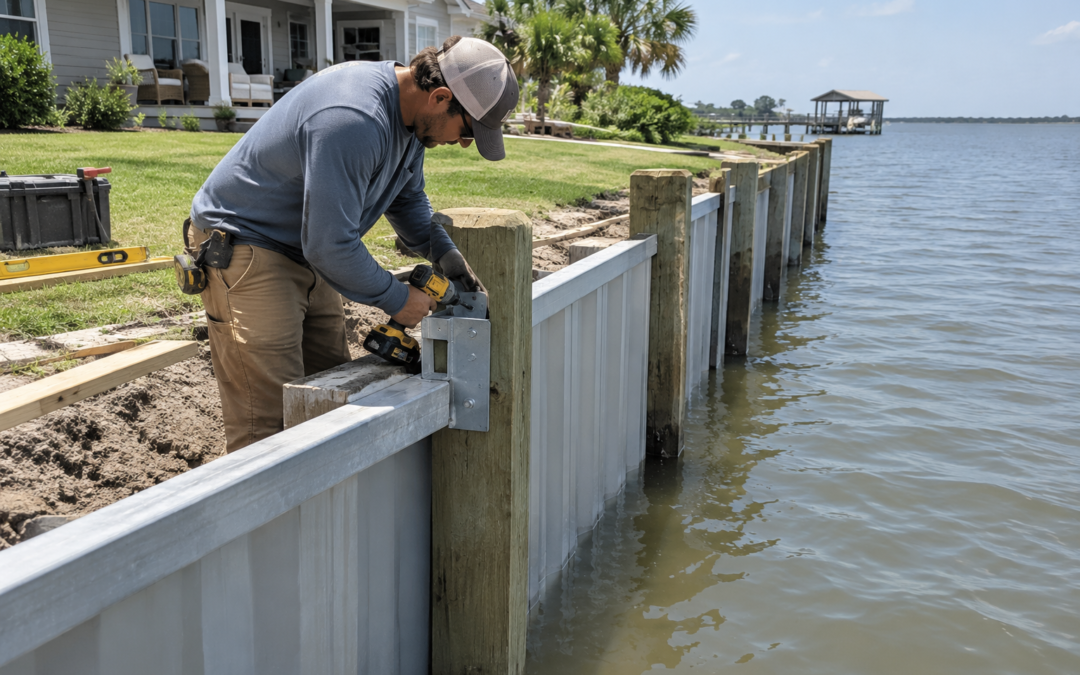
- Bulkheads and seawalls to retain soil
- Riprap to absorb wave energy
- Vegetation and marsh restoration for natural stabilization
The right solution depends on site-specific conditions, including water depth and wave activity.
Storm Surge and Hurricane Exposure
Storm surge presents one of the most serious risks in coastal construction. Unlike standard flooding, surge involves fast-moving water combined with wave force and debris impact.
Along the Gulf Coast, building for hurricanes is a requirement. It is not a precaution.
Key storm-related risks:
- Rapid flooding from rising water
- Structural damage from debris and wave force
- Uplift pressure from high winds
To handle these conditions, builders design structures that allow water to move through instead of resisting it.
Hurricane-resistant construction strategies:
- Elevating structures above base flood elevation (BFE)
- Using reinforced connections and hardware
- Designing open foundations to reduce water pressure
These approaches significantly reduce the likelihood of catastrophic damage.

Saltwater Corrosion and Material Degradation
Saltwater exposure accelerates wear on almost every construction material. Metal corrodes faster, wood deteriorates more quickly, and even concrete can break down over time.
Common material challenges:
- Rusting fasteners and connectors
- Structural weakening from corrosion
- Reduced lifespan of standard materials
Using the right materials from the beginning is one of the most important decisions in coastal construction.
Long-lasting material solutions:
- Marine-grade stainless steel or galvanized hardware
- Pressure-treated lumber designed for saltwater
- Specialized concrete mixes with corrosion resistance
These materials help extend the life of the structure and reduce maintenance costs.
Flood Zones and Elevation Requirements
Many coastal properties fall within designated flood zones, which come with strict building requirements. These regulations are designed to minimize damage during flooding events while also influencing how projects are designed and built.
Challenges associated with flood zones:
- Meeting required elevation heights
- Increased construction complexity
- Higher upfront costs
Despite these challenges, proper elevation is one of the most effective ways to protect a structure.
Standard elevation solutions:
- Building on pilings or raised platforms
- Designing above required flood levels
- Coordinating early with engineers and surveyors
Planning for elevation early prevents costly redesigns later.
Permitting and Environmental Regulations
Coastal construction projects are often subject to multiple layers of regulation. Environmental protection laws, wetlands restrictions, and coastal zone requirements all play a role in how projects move forward.
Common permitting obstacles:
- Wetland and habitat protection rules
- Multiple agency approvals
- Delays from incomplete documentation
Navigating this process requires experience and preparation.
How professionals streamline permitting:
- Coordinating with agencies early
- Submitting detailed site and impact plans
- Understanding regional regulations, especially in Louisiana
Permitting is not just a step in the process. It shapes how the project is built.
Dock, Bulkhead, and Seawall Construction Challenges
Marine structures operate under constant stress from water movement. Unlike land-based construction, these structures must perform in an environment that is always changing.
Typical structural challenges:
- Continuous wave impact
- Movement from tides and currents
- Deterioration below the waterline
These conditions require specialized design and construction techniques.
Best practices for marine structures:
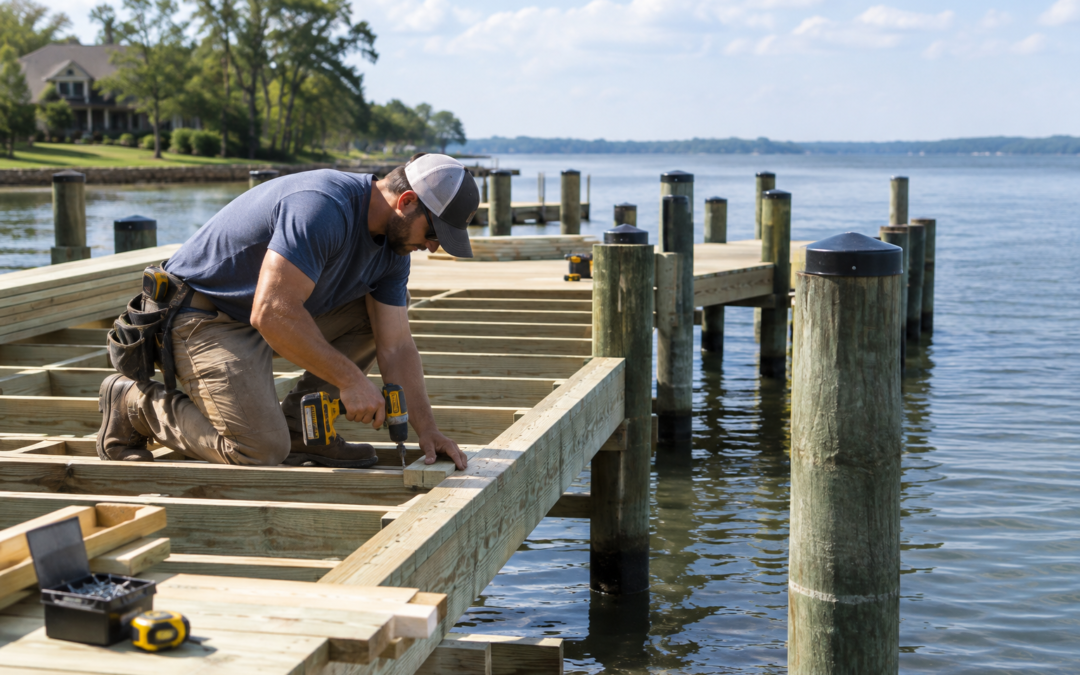
- Using driven piles for stability
- Designing to accommodate water movement
- Planning for regular inspections and maintenance
A properly built structure is designed to last through years of exposure, not just initial use.

Building Near Saltwater: Long-Term Performance
Coastal construction does not end once the build is complete. The environment continues to affect the structure every day, making long-term performance a key consideration.
Over time, exposure to moisture, salt, and sunlight causes gradual wear. Structures that are not built with this in mind often require frequent repairs or early replacement.
Long-term performance considerations:
- Increased maintenance requirements
- Faster material wear
- Continuous environmental exposure
Experienced builders account for these factors during construction to reduce future issues.
Coastal Construction Costs and Risk Management
Coastal construction often comes with higher upfront costs, but those costs are tied directly to performance, durability, and long-term protection. Building near the water is not just about meeting minimum requirements. It is about anticipating how the structure will perform under constant exposure to moisture, shifting soils, and severe weather.
Several factors consistently influence the cost of coastal projects:
- Specialized foundation systems that provide stability in soft or saturated soils
- Marine-grade materials designed to resist saltwater corrosion and environmental wear
- Compliance with local, state, and federal regulations, including flood zone and environmental requirements
While it can be tempting to focus on initial price, experienced marine contractors approach projects with a long-term mindset. A structure built with the right methods and materials from the start will require fewer repairs, perform better during storms, and ultimately cost less over its lifespan.
Managing risk is a key part of that process. Successful projects begin with a clear understanding of site conditions and continue with decisions that prioritize durability and resilience.
- Thorough site evaluations help identify soil conditions, water movement, and potential challenges early
- Designing for longevity ensures the structure can handle years of exposure without major issues
- Avoiding shortcuts reduces the likelihood of costly repairs or premature failure
In coastal construction, doing the job right the first time is what protects both the structure and the investment behind it.
For property owners along the Gulf Coast, working with a contractor who understands these conditions makes all the difference. At Lamulle Construction, every project is approached with decades of hands-on experience building docks, bulkheads, seawalls, and waterfront structures in some of the most demanding coastal environments.
If you are planning a waterfront project and want it built to last, reach out to the team at Lamulle Construction. We can evaluate your site, walk you through the best options, and help you build with confidence from the ground up.
Marine Construction Best Practices
Successful coastal construction projects follow a consistent set of principles developed through years of real-world experience.