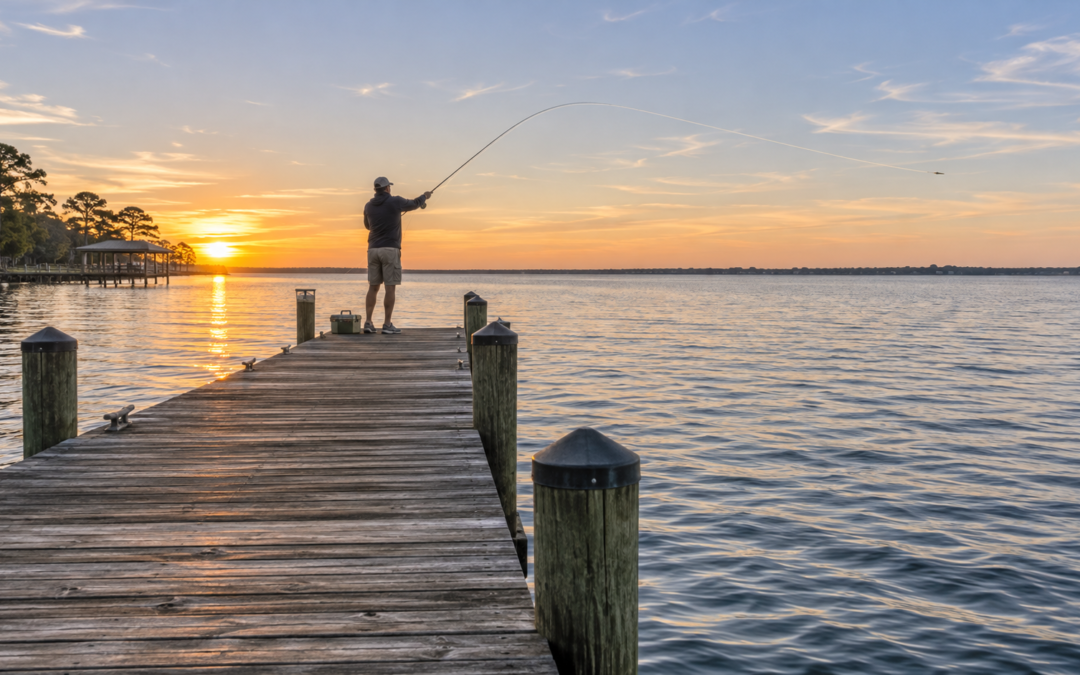
Kenner occupies a particular stretch of Louisiana geography, the southern edge of Lake Pontchartrain just west of New Orleans, where a broad sheet of shallow water meets a densely settled shoreline protected by levees and crossed by canals. For property owners with access to that water, a dock is the feature that turns proximity into use, whether the goal is a place to keep a boat, a spot to fish at dusk, or simply an easy way to step out over the water.
The south shore is a demanding place to build one. The lake is wide enough that a north or northeast wind can build real waves before they reach the bank, the soils beneath the water are soft, the water itself is brackish enough to attack ordinary hardware, and the entire shoreline sits within reach of hurricane surge. A dock that would be perfectly adequate on a sheltered inland pond can struggle within a few seasons here, which is why the design decisions made before construction matter more than almost anything done during it.
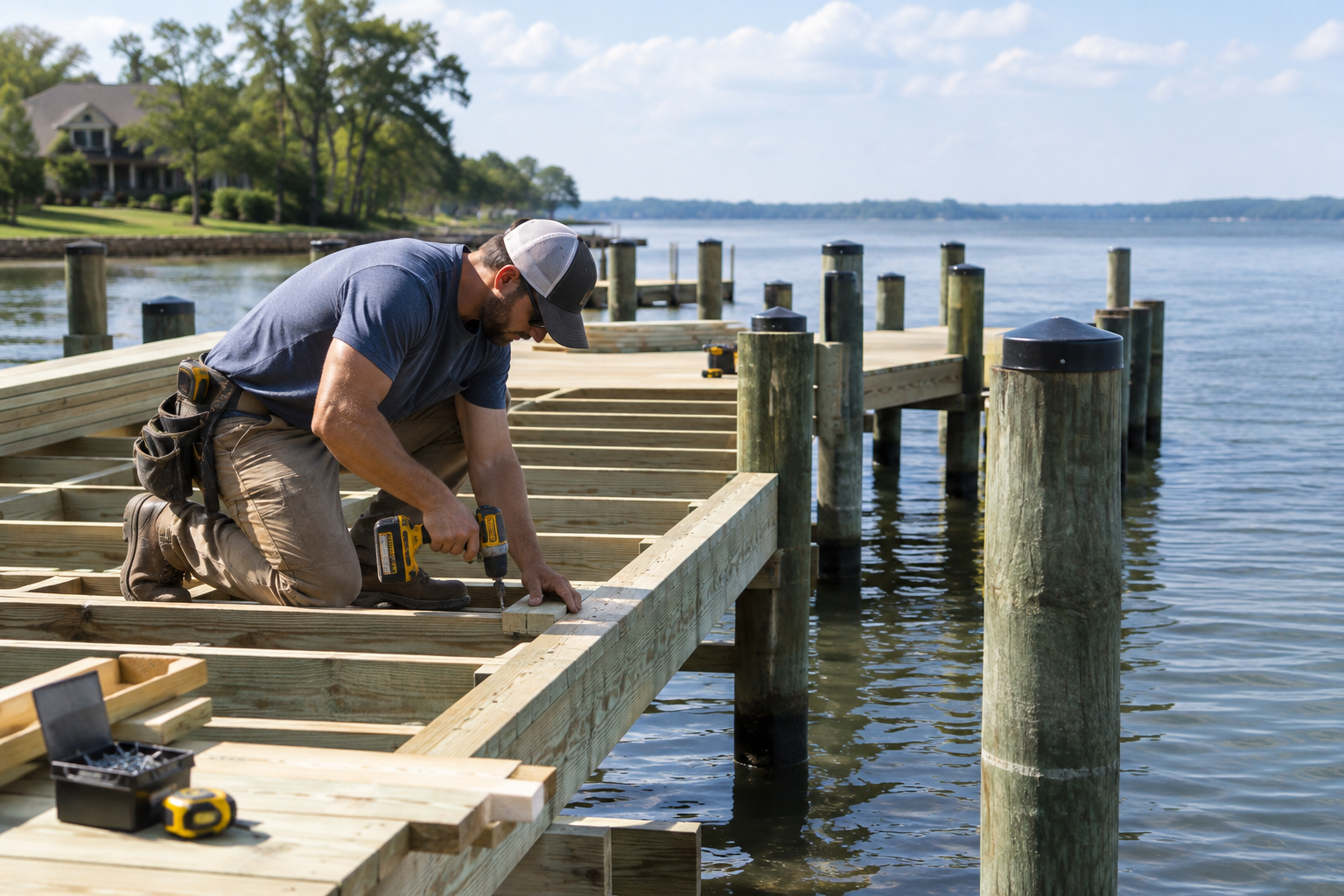
What Should You Know Before Building a Dock in Kenner?
Building a dock in Kenner means designing for Lake Pontchartrain’s south shore: wind driven waves from across the lake, soft soils, brackish water, hurricane surge, and nearby levee protection. A strong project pairs deep piling and marine grade materials with early permitting through federal, state, and Jefferson Parish agencies.
Each of those factors changes what a good dock looks like, so the sections below take them in turn and explain how an experienced builder responds to each one.
What Makes the South Shore Different
The first thing to understand is exposure. Lake Pontchartrain covers nearly 640 square miles, and when the wind blows from the north or northeast, waves have a long stretch of open water in which to build before they reach Kenner’s shoreline. Those waves load a dock repeatedly and from the side, so pilings need bracing and framing connections need strength that a dock on a sheltered pond would never require.
Water level adds a second variable. Wind can push the lake’s water toward one shore or away from it, so the level at your dock reflects the weather as well as the tide, and a dock has to remain usable and sound across that variation. The ground beneath adds a third, since much of the lake bottom and shoreline here is soft clay and silt that demands deeper piling embedment than firmer soil would, and the brackish water attacks standard fasteners and untreated lumber far faster than fresh water does.
Finally, the south shore has a history that every design should respect. Hurricane surge has reached this coast with devastating force, and the shoreline is protected by levees and floodwalls built for that reason. A dock should be designed with storm loading in mind, and any work near those flood protection structures can bring additional review from the agencies that oversee them.
Matching the Dock to Your Shoreline
No two Kenner waterfront lots face exactly the same conditions, and the best dock design follows from the setting rather than from a template. The table below shows how common situations change the design response.
|
Shoreline setting |
What it looks like |
Design response |
|
Sheltered canal or inlet |
Protected from direct wind, with calmer water and moderate boat traffic |
A fixed pile dock with composite or marine rated treated decking usually performs well |
|
Open lakefront |
Exposed to waves from the north and northeast across a long stretch of water |
Deeper piling, heavier framing, added bracing, and a deck set high enough to stay above routine wave action |
|
Near levees or floodwalls |
Close to flood protection structures |
Early coordination with levee authorities and a design that does not interfere with the flood protection system |
|
Boat lift or roof planned |
Owners who want to hoist a boat or add a cover |
Piling and framing sized for lift and roof loads from the first design |
A sheltered canal lot gives a builder the most freedom, and a well made fixed pile dock there can be economical and long lived. An open lakefront lot asks far more of the structure, because the same waves that make the view so appealing also deliver repeated force to every piling, so extra embedment and bracing are not optional extras. Our dock builder page describes the range of configurations we build and when each one fits.
Dock Designs That Work in Kenner
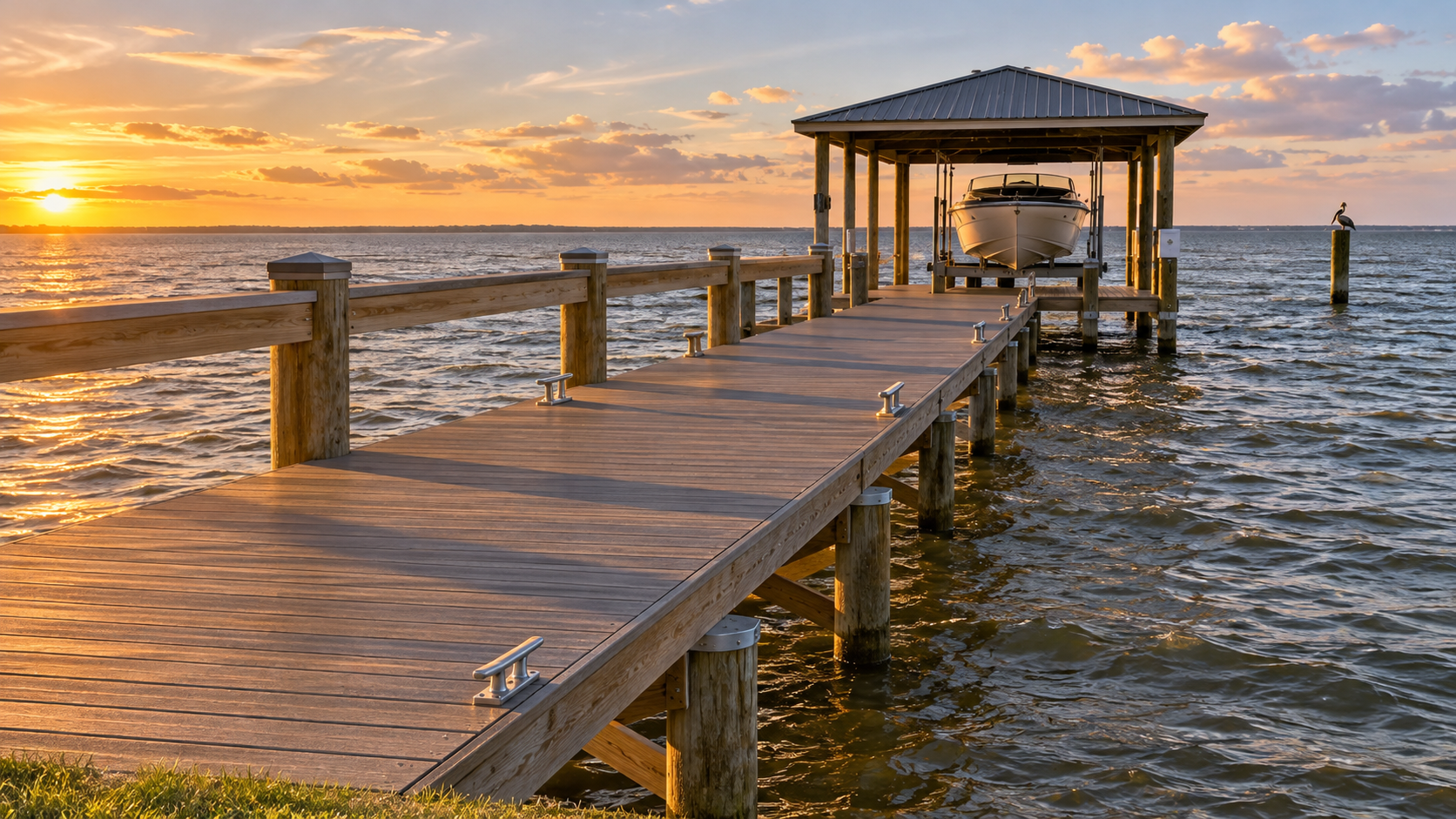
Fixed pile docks are the workhorse of the south shore, built on pilings driven into the bottom with framing and decking above. They stay stable under wave loading, they can be built to almost any length, and they provide a firm platform for lifts, lighting, and other accessories. L and T head configurations extend that idea by running out from shore and widening at the end, which reaches deeper water and creates room for a slip or seating area without extending the full width of the dock the entire distance.
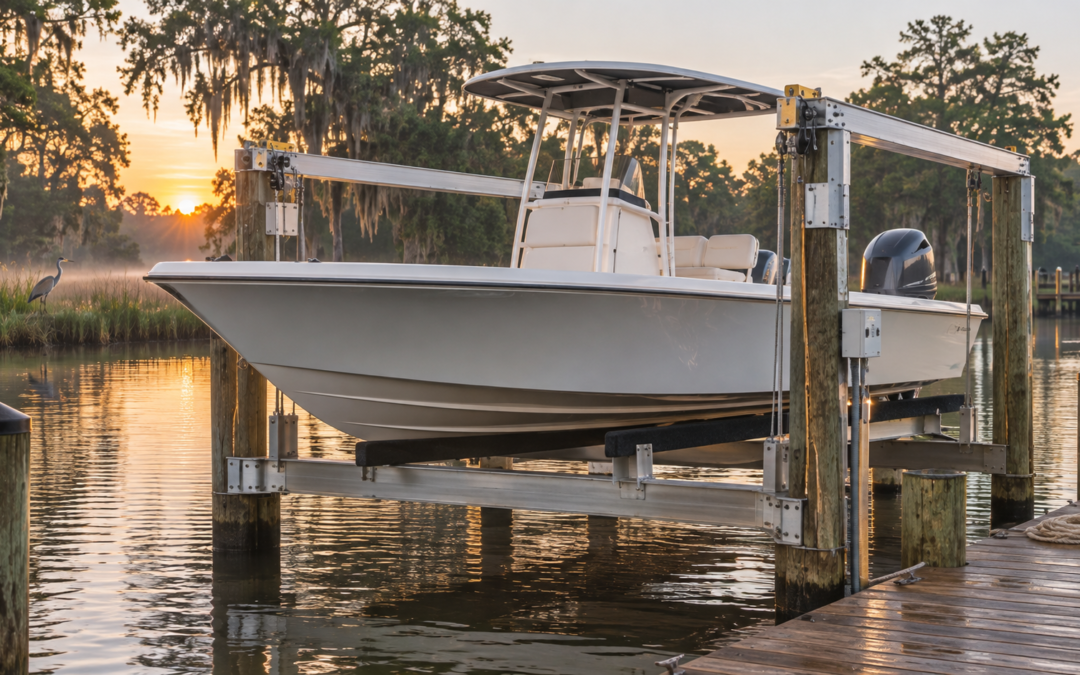
Covered slips and boathouses add a roof that shelters the boat and extends the life of the materials below, but the roof increases weight and wind load, so the structure has to be designed for it from the start. Floating docks have a place in sheltered canals and inlets where the water is calm, but on open stretches of the lake their movement under wave action makes fixed designs the more dependable choice. If you plan to add a hoist, our boat lift installation page explains how lifts integrate with the dock structure.
Materials and Hardware for a Brackish South Shore
Material choices decide both how long the dock lasts and how much maintenance it demands. Pressure treated timber remains the standard for pilings and framing, but it must carry a marine or ground contact rating suited to constant wet exposure, because lumber sold for ordinary residential projects will deteriorate far sooner than owners expect.
Composite decking costs more at installation, yet it resists moisture, sun, and biological growth and needs very little upkeep, which often makes it the better investment over the life of the dock. Hardware deserves equal attention, since hot dipped galvanized or stainless steel fasteners and brackets resist the brackish water that quickly destroys ordinary hardware. For longer docks or heavily exposed sites, concrete pilings are worth discussing because they resist corrosion and the boring organisms that attack timber.
Permitting a Dock in Kenner
A dock over navigable water requires permits, and the approval process typically takes longer than construction itself. Structures in navigable waters generally need authorization from the Army Corps of Engineers under Section 10 of the Rivers and Harbors Act, and many standard residential docks qualify for a streamlined Nationwide Permit rather than a full individual review. Where the project falls within Louisiana’s coastal zone, a coastal use permit or comparable local coastal review may also apply.
Jefferson Parish and the City of Kenner may add building and floodplain requirements, and work near levees or floodwalls can bring review from the levee authorities, so it is worth confirming what applies to your specific address early. If your property is in a subdivision, check the HOA documents or deed restrictions as well. A straightforward residential dock commonly takes 60 to 120 days to permit, and our permitting process page explains how Lamulle prepares and manages these applications.
What Affects the Cost of a Kenner Dock
Dock pricing follows the specifics of the site. Length and width set the baseline, because every added foot of structure brings more pilings, framing, and decking, and exposure matters too, since an open lakefront dock needs deeper piling and heavier framing than a sheltered canal dock of the same size.
Material grade, a roof, a boat lift, electrical service, and site access add further cost, and planning those accessories in the original design is almost always cheaper than retrofitting them later. Because these variables are particular to each lot, a site visit is the only reliable way to arrive at a number you can trust.
How to Choose a Dock Builder for the South Shore
A contractor who builds excellent decks is not automatically equipped to build over open water. Look first for Lake Pontchartrain experience, because a builder who has worked the lake understands wave exposure, soft bottoms, and brackish conditions in ways that an inland contractor may not.
Ask for proof of a Louisiana contractor license and appropriate liability and workers compensation coverage, and confirm that the builder will prepare and manage the permit applications for you. The written proposal should spell out piling count, material grades, and hardware, and a confident builder will gladly share references from completed lakefront projects. You can read more about how we work across the lake on our Lake Pontchartrain marine construction page.
Build a Dock That Fits the South Shore
A dock designed for the south shore’s waves, soft soils, brackish water, and storm exposure will serve a property for decades, while one borrowed from a calmer setting tends to cost more in repairs than it saved at the start. Lamulle Construction has spent generations building waterfront structures around Lake Pontchartrain, and every project begins with a site visit and an honest conversation about what your shoreline needs.
Contact Lamulle Construction to schedule your Kenner dock assessment.