Is Lake Pontchartrain Freshwater or Saltwater?
Lake Pontchartrain is one of the most recognizable bodies of water in Louisiana. Stretching nearly 40 miles across southeast Louisiana and bordering New Orleans’ north shore and south shore communities, the lake plays a huge role in the region’s ecology, economy, and coastal lifestyle.
A common question from visitors, anglers, and waterfront property owners is simple: Is Lake Pontchartrain freshwater or saltwater? The answer is a little more complicated than most people expect.
Is Lake Pontchartrain Freshwater or Saltwater?
Lake Pontchartrain is brackish water, meaning it contains a mixture of freshwater and saltwater. Freshwater flows into the lake from rivers and drainage basins, while saltwater enters from the Gulf of Mexico through the Rigolets and Chef Menteur Pass. Because of this connection, the lake’s salinity constantly changes depending on tides, rainfall, and water flow.
Although locals often call it a “lake,” Lake Pontchartrain is technically a large estuary. An estuary is a place where river water meets ocean water, creating a unique ecosystem where freshwater and saltwater mix. This mixture creates a dynamic environment where conditions can change week to week or even day to day.
Why Lake Pontchartrain Isn’t Completely Freshwater
Several rivers and drainage systems feed freshwater into Lake Pontchartrain, including:
- The Tangipahoa River
- The Tchefuncte River
- The Tickfaw River
- The Amite River
- Urban drainage canals from New Orleans
These sources deliver large amounts of freshwater into the lake.
However, the lake is also connected to the Gulf of Mexico through two natural tidal passes:
- The Rigolets
- Chef Menteur Pass
These waterways allow saltwater from the Gulf to flow into the lake during tidal changes. Because of these connections, Lake Pontchartrain behaves more like a coastal estuary than a traditional inland freshwater lake.
Lake Pontchartrain Salinity Levels
Salinity refers to the amount of dissolved salt in water. Ocean water typically contains around 35 parts per thousand (ppt) of salt. Lake Pontchartrain’s salinity is much lower, but it still varies significantly depending on environmental conditions.
Typical Salinity Range
| Water Type | Salinity (ppt) |
| Freshwater rivers | 0 – 0.5 |
| Lake Pontchartrain | 2 – 15 |
| Gulf of Mexico | ~35 |
Most of the time, Lake Pontchartrain falls somewhere in the 2–10 ppt range, which is firmly in the brackish water category.
What Causes Salinity to Change?
Several factors influence salinity levels in the lake:
- Rainfall
Heavy rain increases freshwater runoff from rivers and drainage basins, lowering the lake’s salinity.
- Tides
Strong tidal flows through the Rigolets and Chef Menteur Pass can bring saltier Gulf water into the lake.
- Wind and Storms
Storms can push large volumes of Gulf water into the lake temporarily.
- River Flow
High river levels dilute saltwater and reduce salinity. Because of these factors, the lake can shift from almost freshwater conditions to moderately salty water over time.
How Salinity Affects Fish and Wildlife
The brackish environment of Lake Pontchartrain supports a wide variety of species.
Some fish that thrive in these conditions include:
- Speckled trout
- Redfish
- Flounder
- Sheepshead
- Blue crabs
These species are well adapted to changing salinity levels.
The lake also supports:
- shrimp nurseries
- oyster reefs in nearby areas
- migratory birds
- coastal marsh ecosystems
Estuaries like Lake Pontchartrain are among the most productive ecosystems in the world, providing critical habitat for marine life.

Lake Pontchartrain Water Quality
Water quality in Lake Pontchartrain has improved dramatically over the past few decades. In the 1970s and 1980s, pollution from urban runoff, sewage discharge, and industrial waste caused significant environmental damage. At one point, parts of the lake were considered unsafe for recreation. However, large restoration efforts helped turn things around.
Major Improvements
Several initiatives helped improve the lake’s health:
- Upgrades to New Orleans sewage treatment
- Closure of harmful industrial discharges
- Restoration of coastal wetlands
- Improved stormwater management
- Environmental monitoring programs
Today, the lake is significantly cleaner than it was decades ago. Water clarity and wildlife populations have both improved.
Is Lake Pontchartrain Safe to Swim In?
Yes, Lake Pontchartrain can be safe to swim in, but conditions vary depending on weather and water quality at the time. Local authorities sometimes issue swim advisories when bacteria levels rise after heavy rainfall. Rainwater runoff can carry contaminants from streets, drainage systems, and nearby land into the lake.
Because of this, it’s usually recommended to:
- Avoid swimming for 24–48 hours after heavy rain
- Check local water quality reports
- Avoid swimming near drainage canals
Some areas along the north shore have beaches where recreational swimming occurs when water conditions are good.
Why the Lake Looks Brown Sometimes
Many people assume brown water means pollution, but that’s not always the case. Lake Pontchartrain’s color often comes from natural sediment and organic material carried by rivers and marshes.
Several factors affect the water’s appearance:
- wind stirring up shallow sediments
- runoff from rivers
- tannins from swamp vegetation
- algae growth during warm months
Because the lake is relatively shallow (average depth around 12–14 feet), winds can easily stir up sediment from the bottom. This gives the water a cloudy or muddy appearance.
Why Lake Pontchartrain Matters for Waterfront Construction
For anyone building docks, camps, or bulkheads along the lake, the brackish nature of the water is important. Brackish water can be tough on building materials.
Structures must be designed to handle:
- corrosion from salt
- wave action from wind-driven water
- storm surge
- fluctuating water levels
- marine organisms
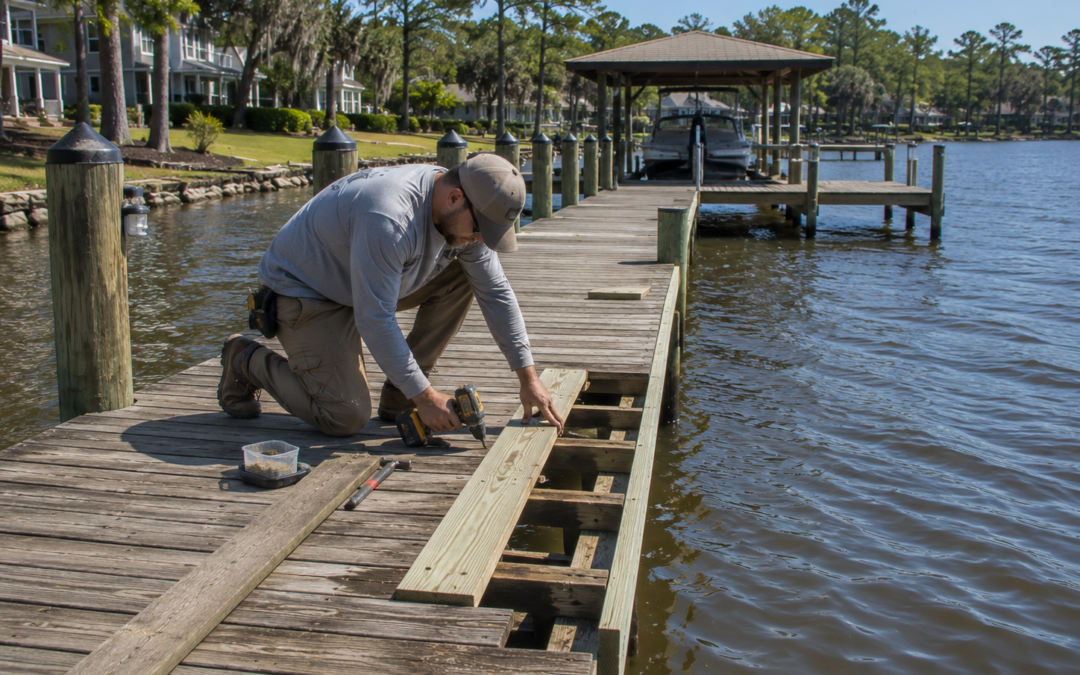
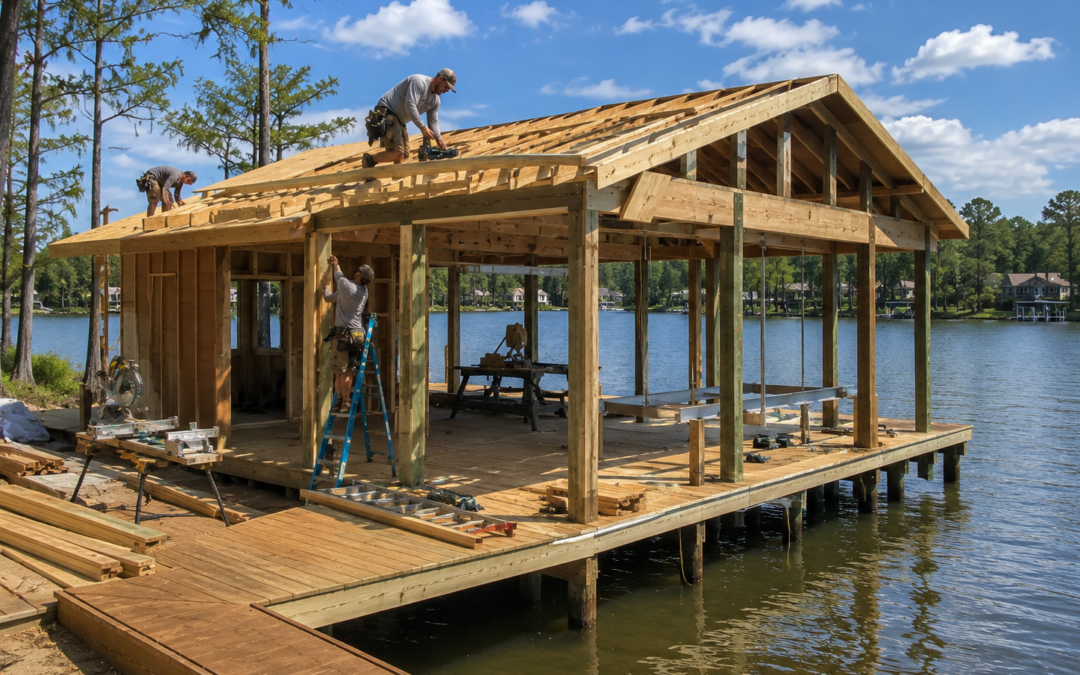
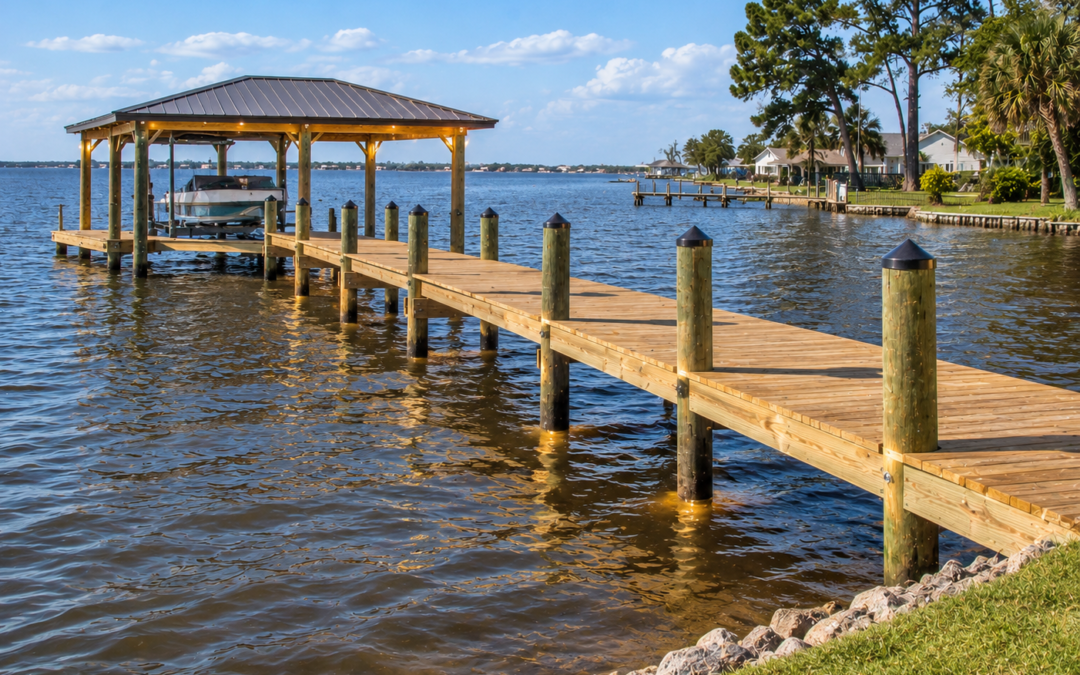
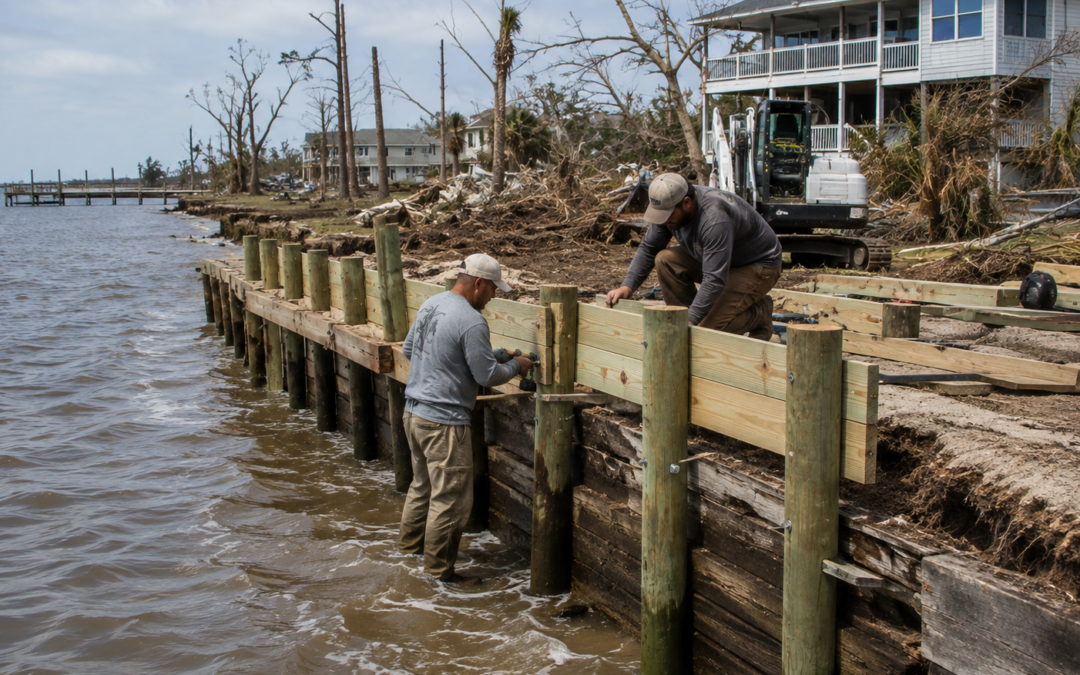
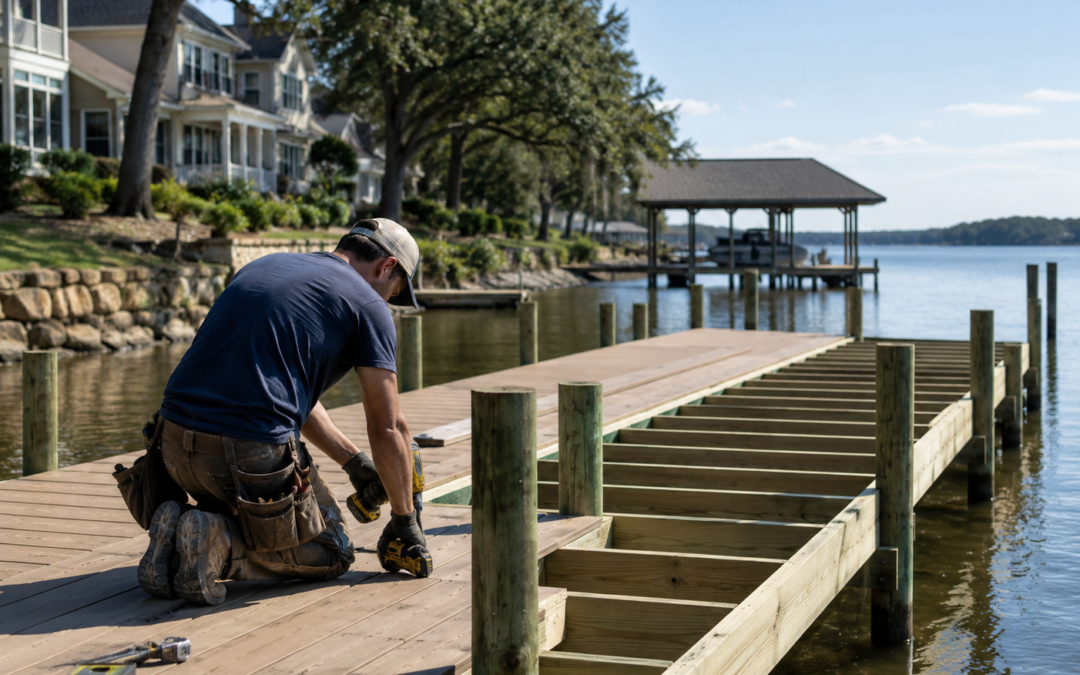
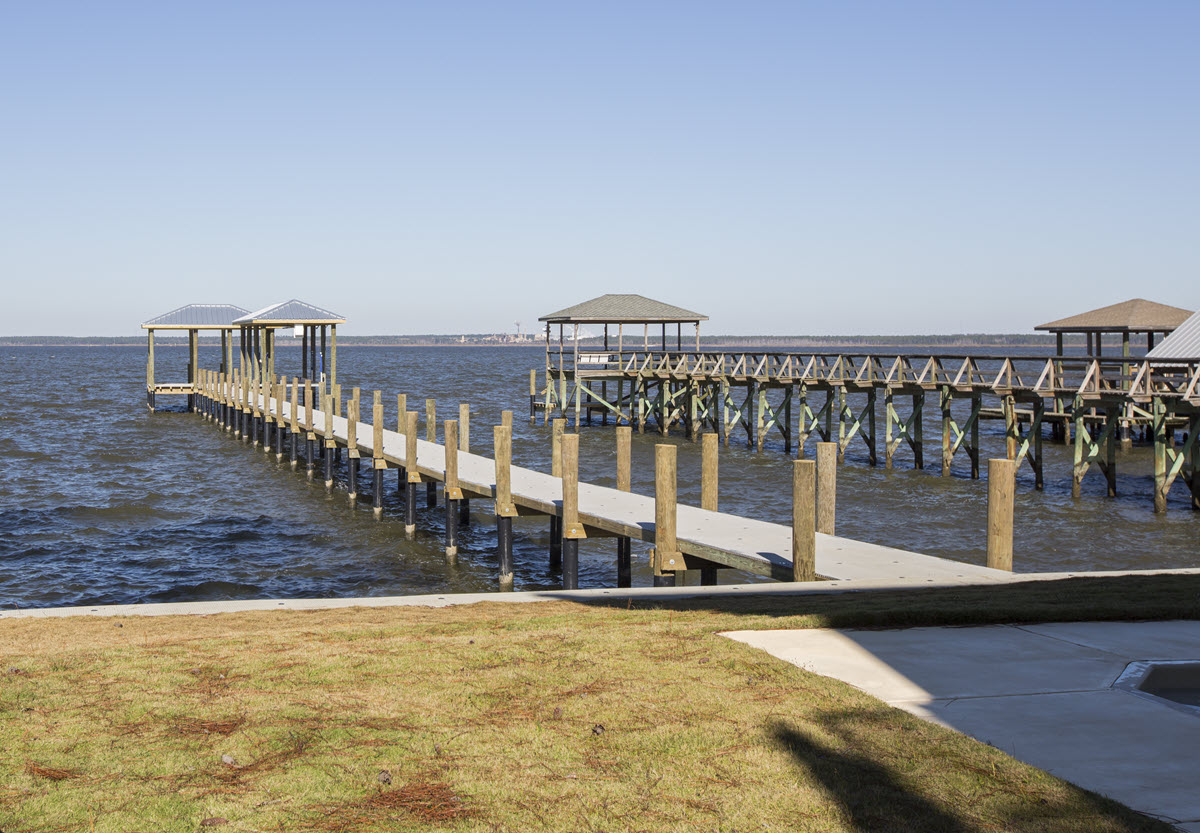
Along Louisiana’s coast, experienced marine contractors understand how to build structures that can survive these conditions. Pile-driven docks, treated lumber, composite decking, and corrosion-resistant hardware are commonly used to ensure structures last in brackish environments like Lake Pontchartrain. For families who spend weekends fishing, boating, and relaxing along the lake, durable waterfront construction is essential.

The Lake’s Role in Louisiana’s Coastal System
Lake Pontchartrain is part of a larger coastal network that includes:
- Lake Borgne
- Mississippi Sound
- surrounding wetlands
- Gulf tidal systems
These interconnected waterways help regulate water movement between inland Louisiana and the Gulf of Mexico.
They also play a critical role in:
- hurricane surge dynamics
- fisheries production
- wildlife habitat
- sediment transport
Understanding how these systems work helps coastal engineers, environmental scientists, and marine contractors design projects that work with the natural environment instead of against it.