Lake Pontchartrain stretches along the north shore of the New Orleans metro area and touches communities from Kenner to Slidell. It’s one of the largest estuaries in the Gulf Coast region, and for generations it’s been part of everyday life for Louisiana residents: boating, fishing, crabbing, and yes, swimming.
But the lake’s safety for swimming is not a simple yes or no. It depends on recent rainfall, your location on the lake, and whether any water quality advisories are currently in effect. Here’s what you need to know before getting in the water.
Is Lake Pontchartrain Safe to Swim In?
Lake Pontchartrain can be safe to swim in when bacterial levels are within acceptable limits and no advisories are posted. Designated beach areas on the north shore are tested regularly, and swimming is generally considered acceptable when bacteria counts meet public health standards. However, conditions change quickly after rain events, so checking current advisories before entering the water is always the right call.
How Clean Is Lake Pontchartrain Right Now?
The lake is substantially cleaner than it was in the mid-20th century, when industrial discharge and untreated wastewater made it one of the most polluted urban estuaries in the South. Cleanup efforts beginning in the 1990s, led in part by the Lake Pontchartrain Basin Foundation, brought dramatic improvements.
Today the primary water quality concern is not industrial pollution. It’s bacterial contamination from stormwater runoff, which spikes after heavy rainfall events. Under normal conditions between storms, the lake can meet recreational safety standards. After significant rain, it often does not.
What murkiness tells you: The lake is shallow, averaging 10 to 14 feet, so wind easily stirs up bottom sediment. Brown or hazy water usually reflects sediment disturbance, not contamination. Murky appearance alone does not indicate unsafe conditions. Bacterial contamination is invisible, which is why advisory systems matter.
What Bacteria Are Found in Lake Pontchartrain?
Water quality monitoring in Lake Pontchartrain tests primarily for fecal indicator bacteria: fecal coliform and Enterococcus. These organisms don’t cause illness directly, but their presence signals that human or animal waste has entered the water, which can also carry pathogens.
Elevated bacteria levels can cause:
- Skin rashes and irritation
- Ear and eye infections
- Gastrointestinal illness, particularly in children
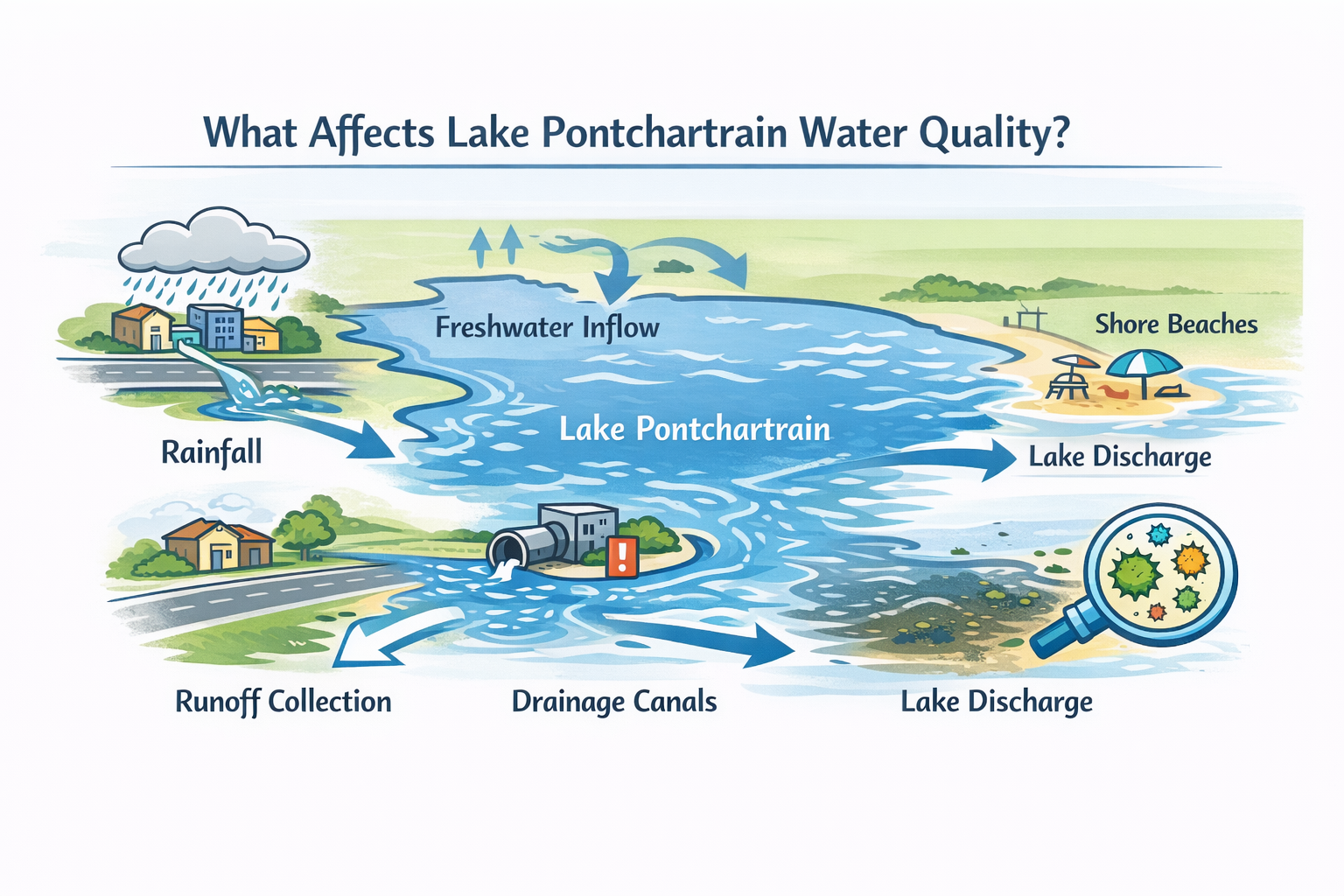
The most common sources of bacterial contamination in the lake include stormwater drainage canals, combined sewer overflow events, runoff from roads and developed land, and waterfowl and wildlife.
After a heavy rain event, local health authorities typically recommend waiting 24 to 72 hours before swimming as bacteria levels return to normal through natural dilution and circulation.
Does Rain Make the Lake Unsafe?
Yes, heavy rainfall is the single biggest factor that pushes Lake Pontchartrain into unsafe territory for swimming. When rain falls across the greater New Orleans watershed, water flows off streets, lawns, and parking lots into drainage canals, which discharge into the lake. This process carries bacteria, debris, and other contaminants into the water faster than the lake can process them.
The south shore, adjacent to the urban New Orleans metro area, typically sees higher post-storm contamination because of the volume and density of drainage systems feeding into it. The north shore communities of Mandeville, Madisonville, and Slidell tend to have cleaner baseline conditions, though they are not immune to advisory triggers after major storm events.
Are There Currents or Undertow in Lake Pontchartrain?
Lake Pontchartrain does not produce ocean-style rip currents or powerful undertow. However, it is not a calm inland pond either.
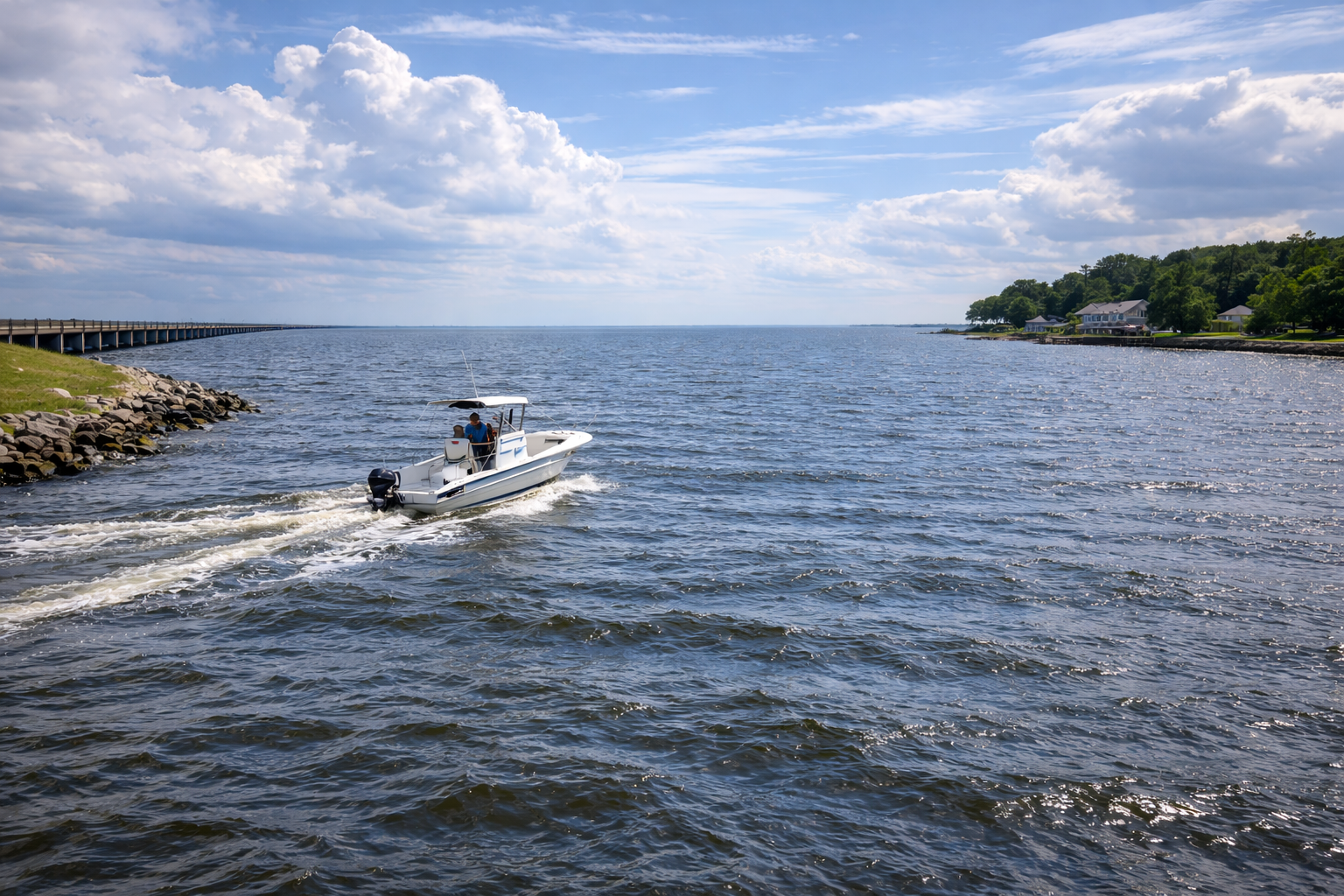
Because the lake is wide and relatively shallow, sustained wind can generate significant wave action along the shoreline within a short period. Wind-driven currents can push swimmers off course or toward structures. The lake also exchanges water with Lake Borgne and the Gulf of Mexico through the Rigolets and Chef Menteur passes, which creates tidal movement.
Conditions that make swimming more hazardous:
- Winds above 15 mph, which can produce choppy, unpredictable wave patterns
- Offshore wind, which can push swimmers away from shore
- Strong onshore wind pushing water against seawalls and embankments
- Heavy boat traffic, which generates wake near popular swimming areas
Calm, sunny days with light wind are the safest conditions. If you can see whitecaps from the shoreline, that’s a signal to stay out.
Which Parts of the Lake Are Safer for Swimming?
Not all areas of Lake Pontchartrain are equal when it comes to swimming safety. Designated beach areas with active monitoring programs offer the most reliable safety information because they are tested regularly and advisories are posted publicly.
Areas to approach with more caution:
- Near drainage canal outfalls or pump station discharges
- Adjacent to active boat launches with heavy traffic
- Close to any industrial or commercial waterway access points
- Along undeveloped stretches without posted monitoring data
The north shore beaches near Fontainebleau State Park and public access areas in Mandeville have historically maintained better water quality than south shore locations. That said, location is not a substitute for checking advisories.
Lake Pontchartrain vs. Gulf Coast Beaches: How Do They Compare?
| Factor | Lake Pontchartrain | Mississippi Gulf Coast beaches |
|---|---|---|
| Water depth | Shallow (avg. 10-14 ft) | Deeper nearshore |
| Wave action | Wind-driven, variable | Consistent surf zone |
| Saltwater flushing | Partial (estuarine) | Full ocean circulation |
| Post-storm recovery | Slower | Generally faster |
| Rip current risk | Low | Moderate |
| Bacteria monitoring | Active (north shore beaches) | Active |
| Clarity | Often turbid from sediment | Generally clearer |
Gulf beaches benefit from stronger ocean circulation, which dilutes bacterial contamination faster. Lake Pontchartrain’s enclosed basin means contaminants linger longer before dispersing.
Is the Lake Getting Cleaner Over Time?
The overall trend is positive. Long-term water quality data shows meaningful improvement in Lake Pontchartrain since the restoration efforts of the 1990s and 2000s. Fish, crab, and shrimp populations have rebounded. Dissolved oxygen levels have improved. The swimming advisories that were once nearly permanent along much of the shoreline now come and go based on weather rather than being a constant state.
That progress is not guaranteed to continue without sustained investment in drainage infrastructure, watershed management, and shoreline stabilization. Healthy shorelines play a direct role in water quality: stabilized banks reduce sediment runoff, slow erosion-driven nutrient loading, and limit the pathways through which stormwater contaminants reach the open lake.
How Shoreline Structure Affects Lake Water Quality
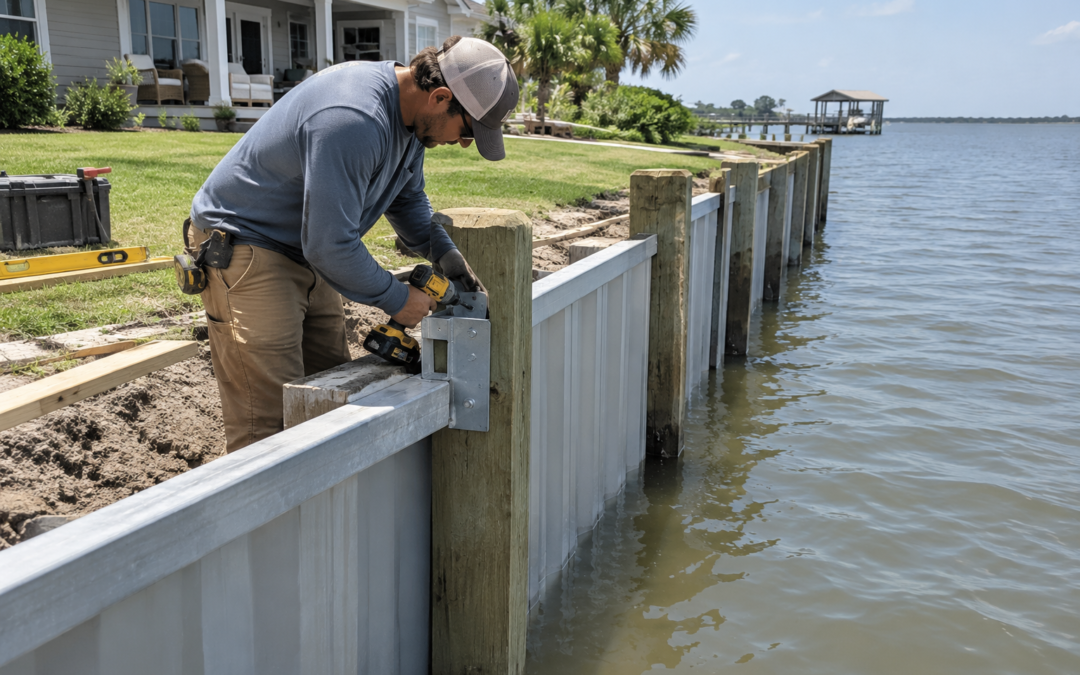
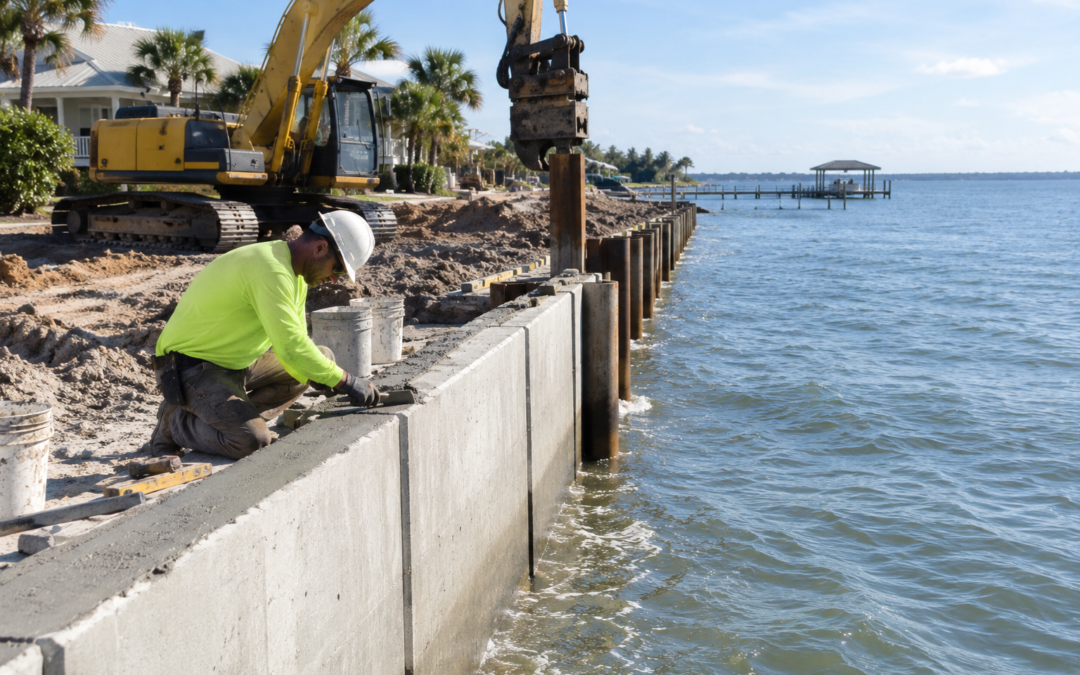
One factor that rarely gets discussed in swimming safety conversations is the condition of the shoreline itself. Eroded banks, deteriorating bulkheads, and unstable seawalls contribute directly to water quality problems. When soil and organic material wash into the lake unchecked, they carry bacteria, sediment, and nutrients that degrade conditions for everyone using the water.
Stable, well-constructed shoreline structures, including seawalls, bulkheads, and revetments, reduce erosion-driven contamination and help maintain the cleaner baseline conditions that make swimming advisories less frequent. Properties along Lake Pontchartrain and the north shore waterways that invest in quality marine construction are doing more than protecting their own land. They’re contributing to the broader health of the lake.
If your waterfront property has an eroding bank, a failing bulkhead, or a seawall that’s showing signs of deterioration, contact Lamulle Construction.