Waterfront property comes with constant pressure from erosion, tides, and changing soil conditions. Whether you’re dealing with an aging timber wall or planning new construction, choosing between vinyl and wood isn’t just about price, it’s about how long your shoreline protection will actually hold up.
At Lamulle Construction, we’ve worked on bulkheads across Louisiana marsh, lakefront, and canal properties for decades. We’ve seen both materials succeed, and fail, depending on how they’re used and installed.

What Is Vinyl Bulkhead Installation?
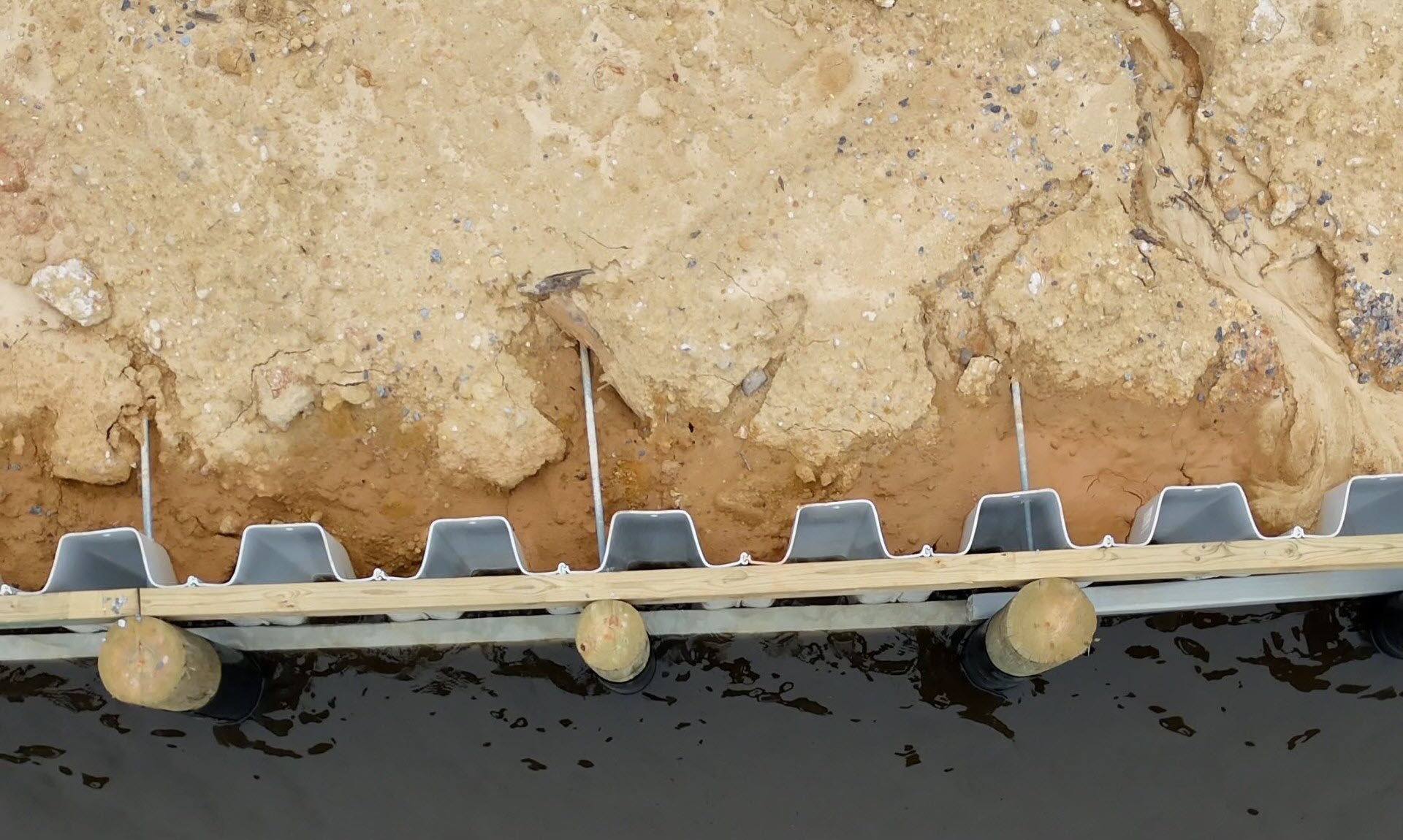
Vinyl bulkhead installation involves driving interlocking PVC sheet piles into the ground to create a continuous wall that holds back soil and prevents erosion.
Unlike wood, vinyl doesn’t rot, warp, or get eaten by marine organisms. That makes it a popular long-term solution for waterfront protection.
Vinyl bulkhead installation is the process of driving interlocking PVC sheet piles into the shoreline to form a durable, erosion-resistant barrier. It typically includes anchoring systems, a top cap, and backfill to stabilize the structure, providing long-term protection with minimal maintenance compared to wood bulkheads.
How Vinyl Bulkheads Are Installed (Step-by-Step)
Understanding the installation process helps explain why vinyl often outperforms wood over time.
Site Preparation
The shoreline is cleared and graded. In Louisiana, this often means dealing with soft, silty soils that require careful handling.
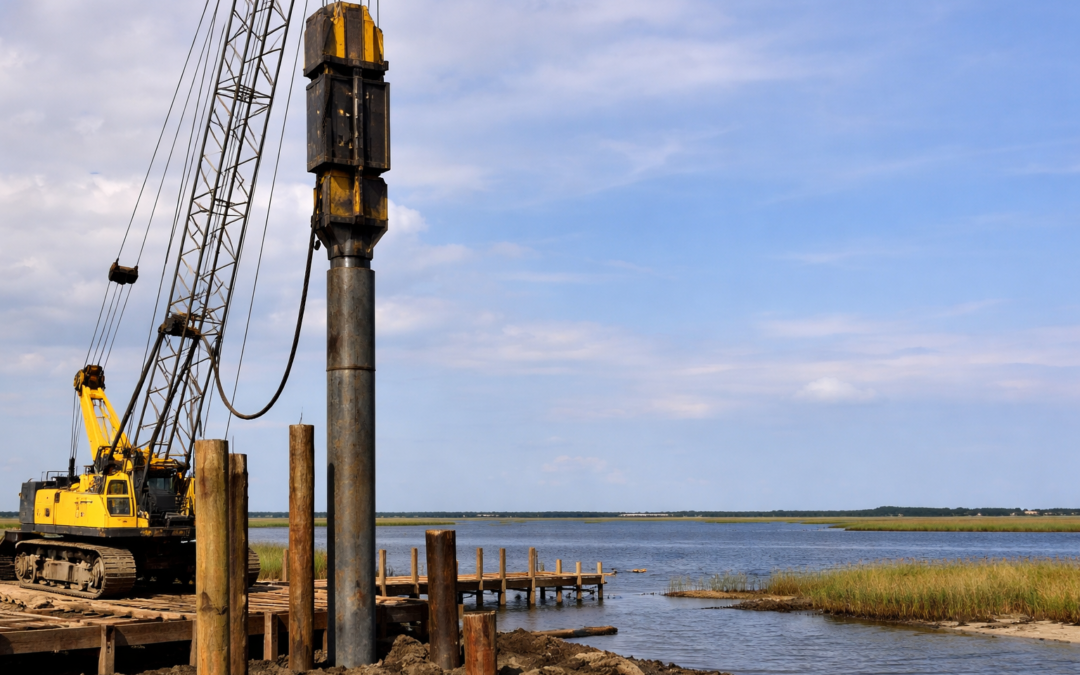
Driving Vinyl Sheet Piles
Interlocking vinyl panels are driven into the ground using vibratory hammers or water jetting. Depth is critical, most failures happen when sheets aren’t driven deep enough.
Installing Anchors (Deadmen System)
Tie rods are installed from the wall back into the soil, connecting to anchor points that hold the wall in place against soil pressure.
Adding a Cap
A treated wood or composite cap is installed along the top for structural integrity and a finished look.
Backfilling and Drainage
Proper backfill and drainage prevent hydrostatic pressure buildup behind the wall.
A bulkhead or seawall is only as strong as its installation. Even the best vinyl material will fail if it’s not driven deep enough or anchored properly.
Wood Bulkhead Repair: When Does It Make Sense?
Wood bulkheads have been used for generations, and many older waterfront properties still rely on them. But they don’t last forever.
Common Problems with Wood Bulkheads
- Rot and decay from constant moisture exposure
- Damage from marine borers (especially in brackish water)
- Warping and structural weakening over time
- Fastener corrosion
When Repair Is Worth It
Wood bulkhead repair can make sense if:
- The structure is relatively new (under 10–15 years)
- Damage is localized (not widespread rot)
- The foundation and pilings are still solid
When Replacement Is Better
If you’re constantly repairing sections, it’s usually more cost-effective to replace the bulkhead, often with vinyl.
Timber vs Vinyl Seawall: Side-by-Side Comparison
Here’s how the two materials stack up in real-world conditions:
| Feature | Vinyl Bulkhead | Wood Bulkhead |
|---|---|---|
| Lifespan | 30–50+ years | 10–20 years |
| Rot Resistance | Excellent | Poor |
| Marine Pest Resistance | Excellent | Vulnerable |
| Maintenance | Low | High |
| Upfront Cost | Higher | Lower |
| Long-Term Cost | Lower | Higher |
| Appearance | Clean, modern | Natural, traditional |
Wood may be cheaper upfront, but vinyl almost always wins on long-term value.
Vinyl vs Wood Bulkhead: Which Is Better for Louisiana?
In coastal Louisiana, conditions are especially harsh:
- High humidity
- Soft, shifting soils
- Storm surge and hurricanes
- Brackish water environments
These factors accelerate wood deterioration much faster than in other regions.
Why Vinyl Performs Better Here
- Doesn’t absorb water
- Resists insect and marine life damage
- Holds up better against storm-related erosion
- Requires far less maintenance over time
That’s why most new installations today lean heavily toward vinyl.
Cost Differences: Vinyl vs Wood Bulkheads
Cost is often the deciding factor, but it needs to be looked at over time.
Initial Cost
- Wood: Lower upfront investment
- Vinyl: Higher upfront cost due to materials and installation
Long-Term Cost
- Wood: Ongoing repairs, replacements, and maintenance
- Vinyl: Minimal maintenance, longer lifespan
We’ve seen property owners replace wood bulkheads two or three times over the lifespan of a single vinyl installation.

Common Mistakes in Bulkhead Installation
Regardless of material, certain mistakes lead to early failure:
Not Driving Sheets Deep Enough
This is one of the most common issues, especially in soft soil.
Poor Drainage
Water buildup behind the wall increases pressure and causes bowing or collapse.
Weak Anchoring Systems
Improper tiebacks can lead to structural failure over time.
Choosing Material Based Only on Price
Short-term savings often lead to long-term costs.
How Long Does a Vinyl Bulkhead Last?
A properly installed vinyl bulkhead can last 30 to 50 years or more.
The actual lifespan depends on:
- Installation quality
- Soil conditions
- Exposure to waves and boat traffic
- Maintenance of drainage systems
Compared to wood, vinyl offers significantly more longevity with fewer issues.
Is It Better to Repair or Replace a Wood Bulkhead?
This is one of the most common questions we get.
Repair If:
- Damage is minor
- Structure is still stable
- You need a short-term solution
Replace If:
- Rot is widespread
- Wall is leaning or failing
- You’re planning long-term property improvements
In most cases, replacement with vinyl provides better value and peace of mind.
Choosing the Right Bulkhead for Your Property
Every waterfront property is different. The right solution depends on:
- Soil type
- Water conditions
- Budget
- Long-term plans
But in today’s conditions, especially along the Gulf Coast, vinyl has become the go-to choice for durability and reliability.