Mandeville’s north shore properties sit along one of the most desirable stretches of Lake Pontchartrain waterfront in Louisiana. That desirability comes with a responsibility that many property owners do not fully appreciate until something goes wrong: the bulkhead protecting the shoreline is doing constant, quiet work every single day, and it does not last forever without attention.
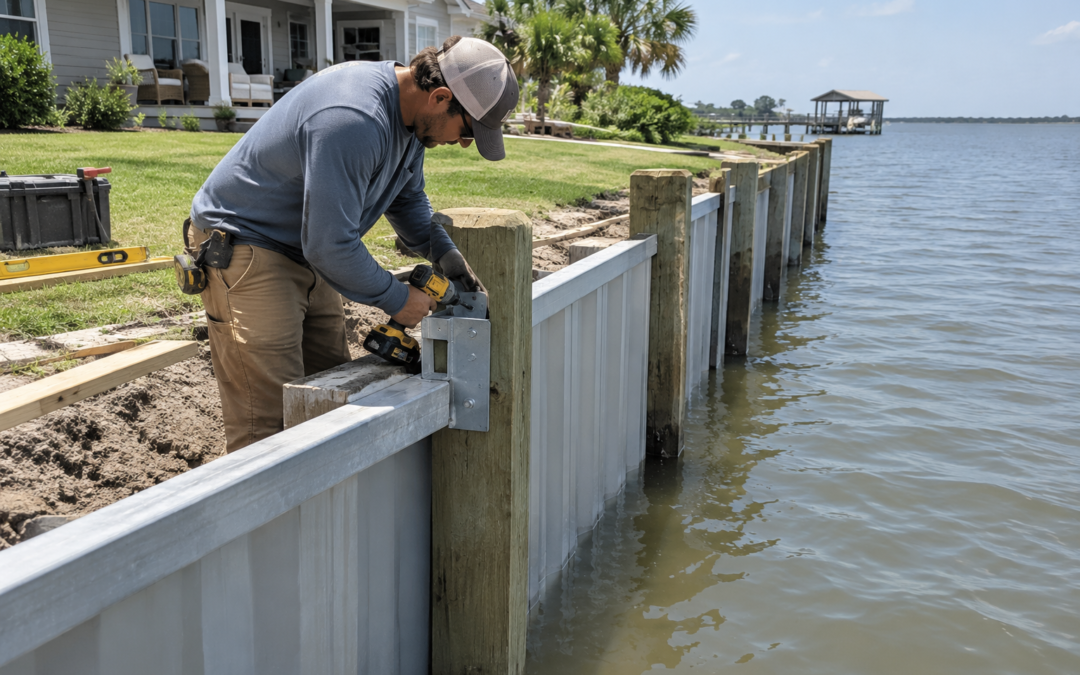
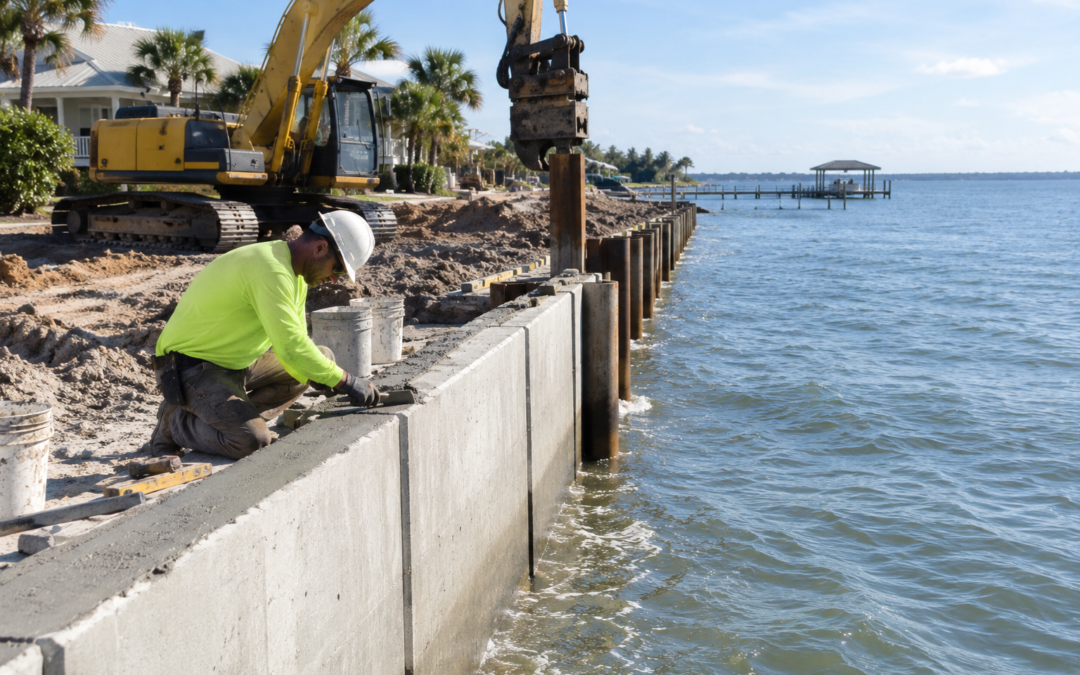
A bulkhead is a retaining wall built along the shoreline to hold soil in place and resist the pressure of the water beside it. On Lake Pontchartrain’s north shore, that pressure comes from wind driven waves that build across the lake’s wide fetch, from boat wake in the busy waterways around Mandeville, and from the brackish water chemistry that works against untreated materials over time.
Lamulle Construction has served the Mandeville area and the broader Lake Pontchartrain shoreline for generations. This guide covers what causes bulkhead deterioration on the north shore, how to spot the warning signs early, and what repair options actually work for Mandeville properties.
Why Mandeville Bulkheads Face Real Erosion Pressure
Lake Pontchartrain covers nearly 640 square miles, and its shallow average depth allows wind to build meaningful wave energy across long stretches of open water before that energy reaches the north shore. That wave action is compounded by boat traffic from Mandeville’s marinas and boat launches. The water itself is brackish, meaning it carries enough salinity to accelerate corrosion of metal hardware and degrade materials not properly rated for marine exposure.
Common Signs of Bulkhead Failure in Mandeville
Bowing or leaning. A bulkhead that is no longer standing straight is under more lateral soil pressure than the structure or its anchor system was designed to handle.
Cracking with rust staining. On concrete bulkheads, rust colored streaks running from a crack indicate that internal steel reinforcement is corroding and expanding.
Voids or soft spots behind the wall. If soil is washing through gaps in the bulkhead, the ground behind it will begin to settle.
Water seeping through unintended locations. Water pushing through cracks or failed joints elsewhere in the wall is a sign that the barrier is compromised.
Settlement near the wall. Dock pilings, walkways, or landscaping near the bulkhead that begin to lean or settle unevenly often indicate soil behind the wall is already moving.
What Causes Bulkheads to Fail on the North Shore
Several factors contribute to bulkhead failure on Mandeville’s north shore, and they often work together rather than in isolation. Anchor system corrosion is one of the most common culprits, since the tie back rods and hardware holding a bulkhead in place are constantly exposed to brackish water. Over 15 to 20 years, that exposure corrodes even galvanized hardware to the point of failure, allowing the wall to bow under soil pressure it can no longer resist.
Material degradation plays a role as well, particularly in bulkheads built with untreated or under specified timber, which deteriorates far faster than property owners typically expect in this environment. Drainage failure compounds these problems: when weep holes become clogged with sediment or debris, hydrostatic pressure builds up behind the wall with nowhere to release, placing additional stress on an already weakened structure. Finally, wave and wake erosion at the base of the wall gradually scours away the supporting soil at the toe, undermining the foundation even when the wall face itself still looks sound from a distance.
Bulkhead Repair Options for Mandeville Properties
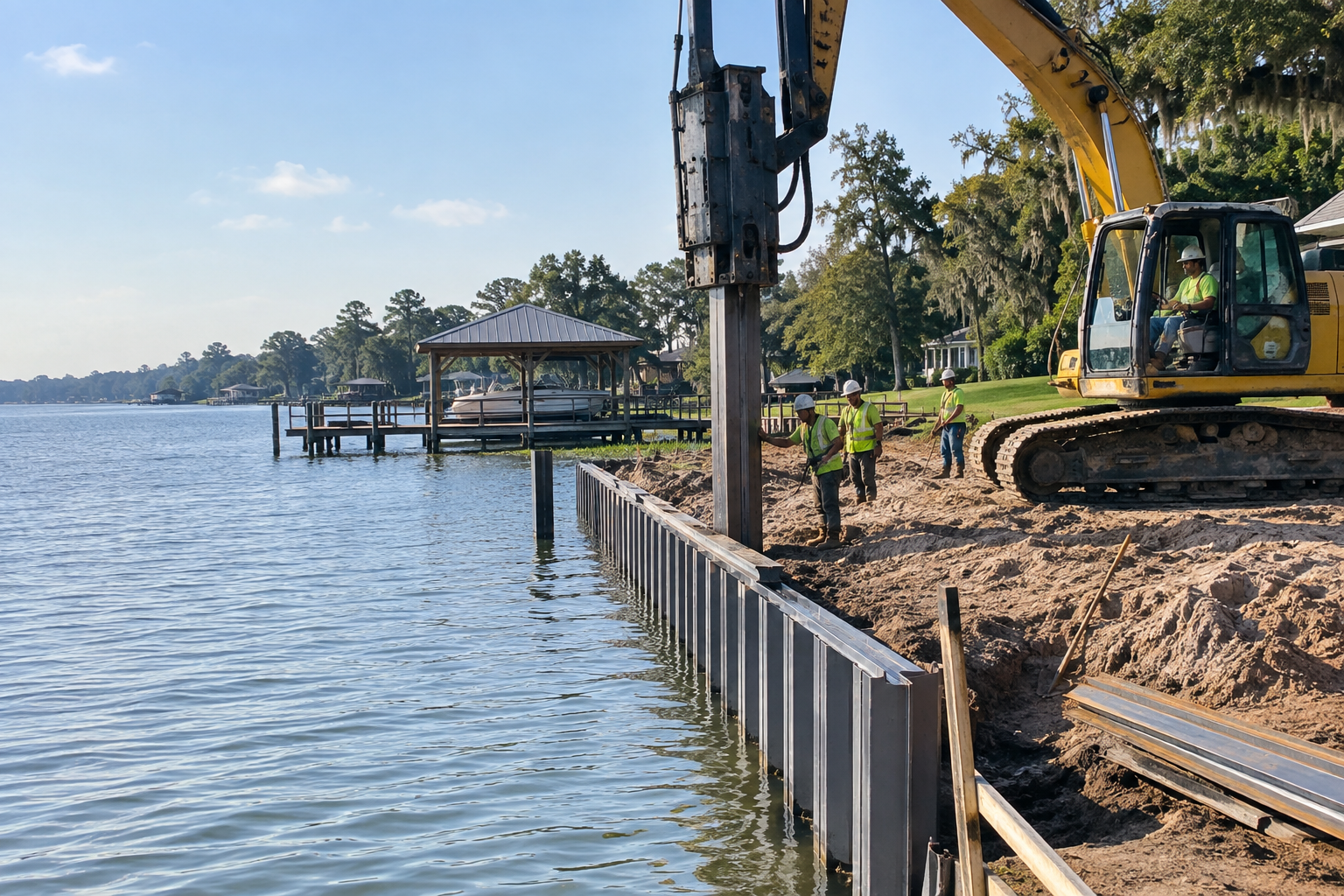
The right repair approach depends on what is actually failing, and several options are available depending on the specific problem. For a bowing wall, tie back anchor replacement using new helical anchors driven into stable soil restores the resistance the original anchor system has lost. When the issue is isolated cracks or separated joints, joint sealing and panel patching with marine rated sealant stops active soil migration without requiring more extensive work.
Scour protection at the base, typically riprap or rock placed at the toe of the wall, protects the foundation from ongoing wave erosion in cases where the base has begun to undermine. Cap replacement addresses a worn cap while the structural wall below remains sound, offering a targeted and lower cost repair. Drainage restoration, which involves clearing blocked weep holes and confirming proper grading behind the wall, relieves hydrostatic pressure that would otherwise accelerate further damage. Our bulkhead repair team assesses each of these factors during a site visit to determine the appropriate scope of work for your property.
Repair vs Replacement: Making the Right Call
Repair is the right choice when damage is localized and the core structure remains sound. Replacement becomes the better option when deterioration is widespread, when the original material has reached the end of its useful service life, or when multiple failure types are occurring simultaneously. Our bulkhead replacement page covers what full replacement involves for Mandeville properties.
Protecting Your Investment on the North Shore
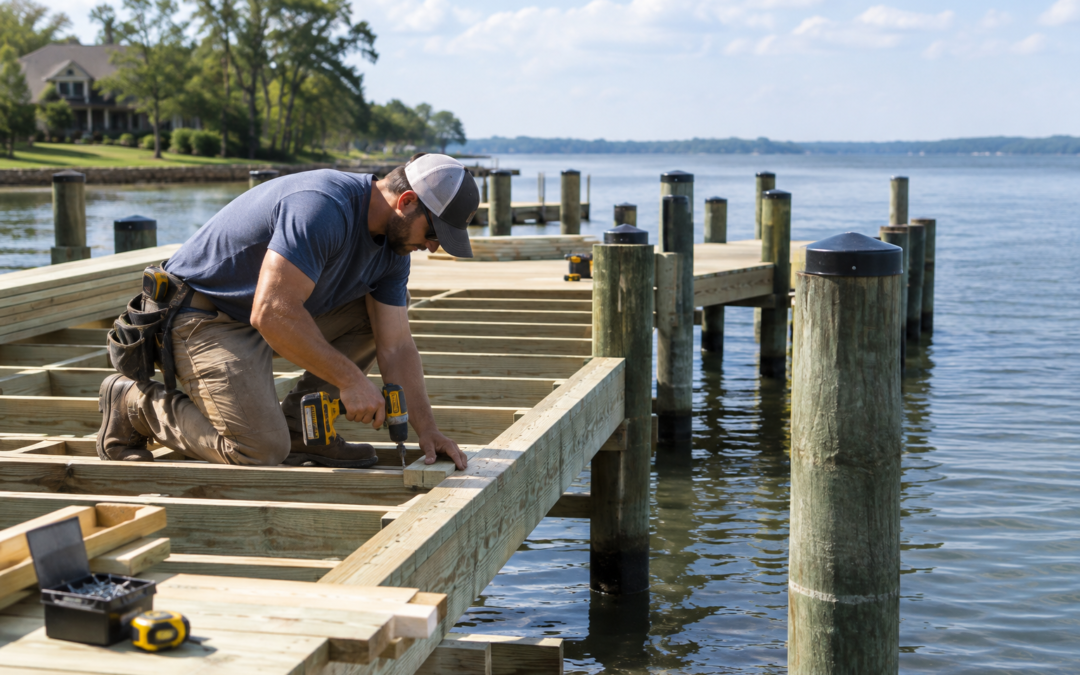
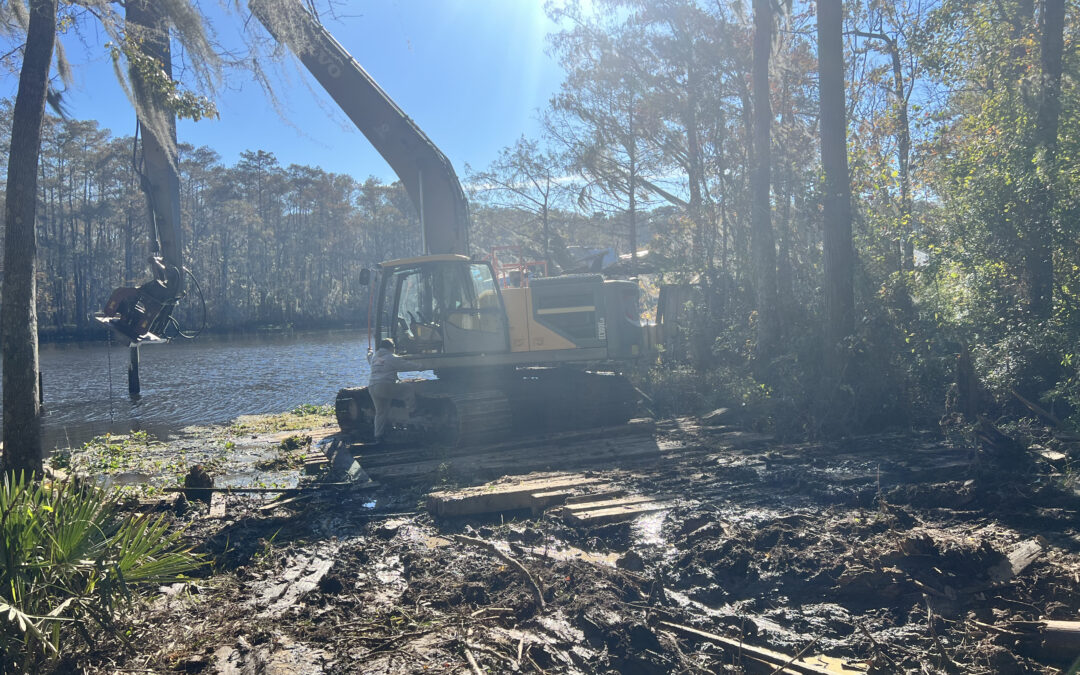
A bulkhead in good condition directly protects the value of a Mandeville waterfront property. Beyond resale considerations, a stable bulkhead protects everything built near the water: docks, boathouses, yards, and landscaping investments made along the shoreline. See our Mandeville marine construction page for more on how Lamulle approaches waterfront projects in this community.